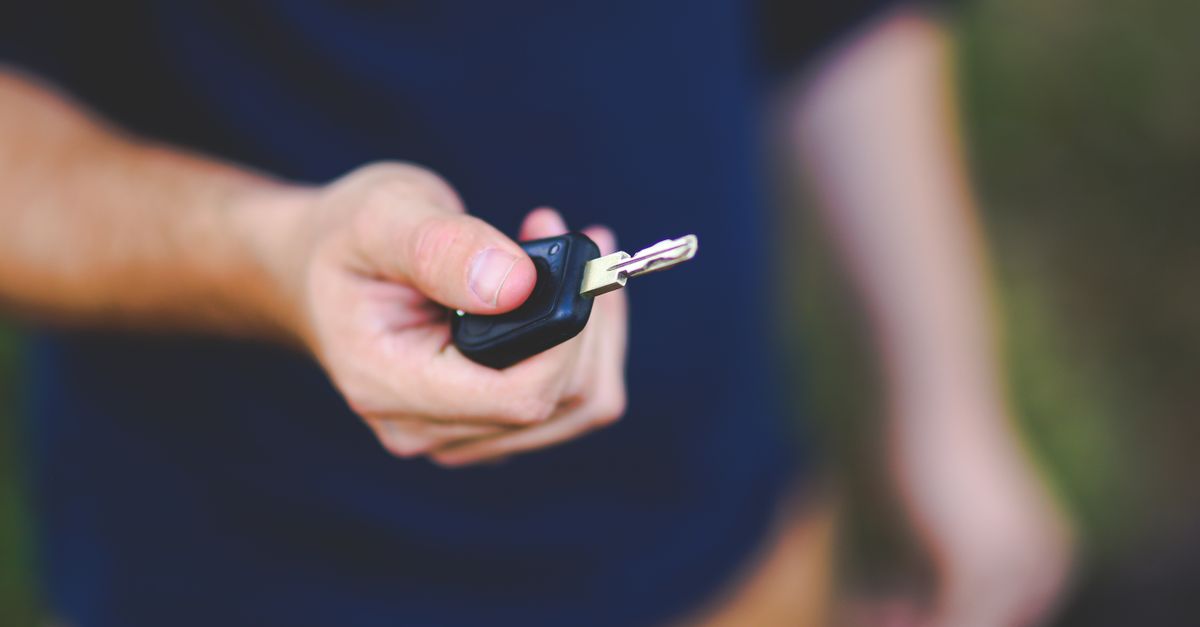
Ford Car Key Replacement: Understanding What Your Ford Actually Uses
Not every Ford key is the same, and the replacement process differs significantly depending on the key technology your model uses. Older Ford trucks and sedans from the late 1990s and early 2000s used a basic 80-bit transponder chip embedded in the key blade — these require both cutting and chip programming to work. Mid-2000s through mid-2010s models added a remote head key that combines a transponder with lock, unlock, and panic buttons in one unit. More recent Ford models — including many current Escape, Explorer, Edge, and Expedition trims — use a proximity smart key paired with a push-button ignition, meaning the vehicle constantly broadcasts a short-range signal and will only start when it detects the correctly coded fob nearby. The Ford Ranger, Transit van, and Transit Connect often show up in two categories: fleet operators running older mechanical-key variants and newer owners dealing with full smart-key systems. Knowing exactly which system your vehicle has is the first thing our technicians confirm before touching any equipment.
We also see a significant number of calls involving damaged or worn key fobs where the blade still works but the remote functions have failed, or vice versa — the fob works but the key blade is snapped. In either case, a partial replacement or battery swap may not be enough. Ford's PATS (Passive Anti-Theft System) requires that any replacement key or fob be programmed through a specific sequence tied to your vehicle identification number. Our mobile units carry the diagnostic and programming tools needed to complete that process on-site, without you ever needing to visit a dealer.